Home Defense: A Practical Guide for Pennsylvania Households
Home defense is one of the most common reasons people buy their first gun. It is also one of the most serious. A good plan covers far more than the firearm: it includes locks, lights, alarms, family communication, secure storage and a clear understanding of the law. This guide gives a general overview for Pennsylvania households. It is not legal advice, and it is not a substitute for professional training.
Start with layers
The best defensive encounter is the one that never happens. Before you buy a gun, look at the basics:
- Solid exterior doors with deadbolts and long screws in the strike plates.
- Locks on first-floor windows and sliding doors, plus a bar in the slider track.
- Motion lights around entrances and a lit house number so police can find you.
- An alarm system or at least door sensors, and a dog if your household suits one.
- A family plan: where everyone goes, who calls 911, and what to say.
A gun is the last layer, not the first.
Choosing a home-defense firearm
Handguns
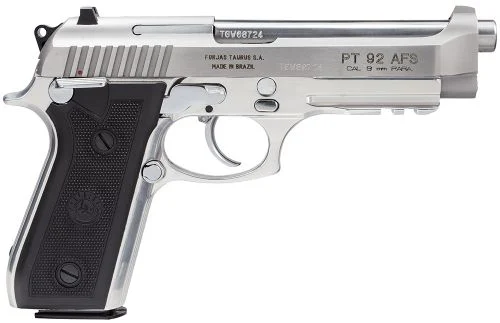
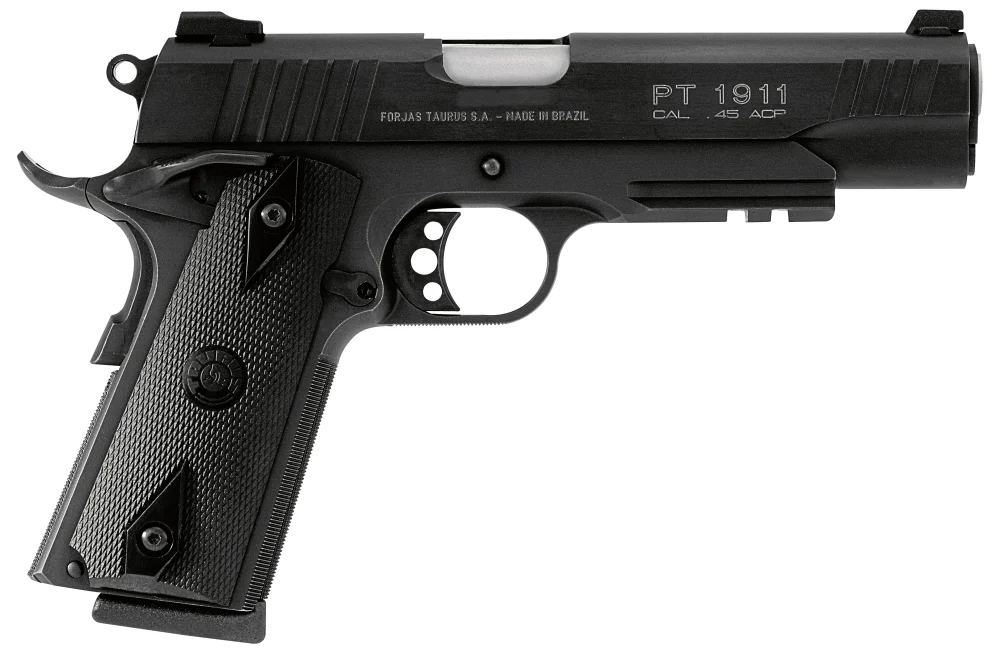
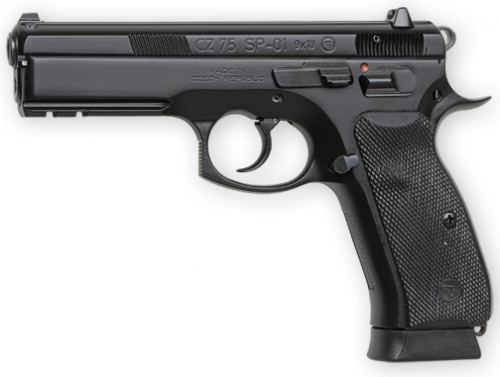
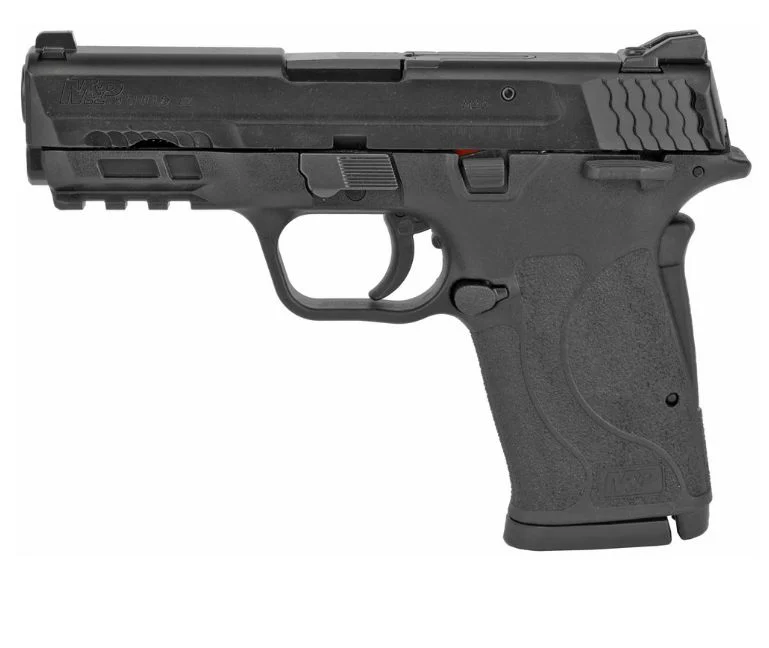
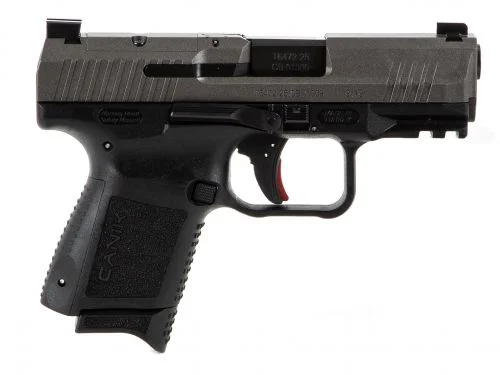
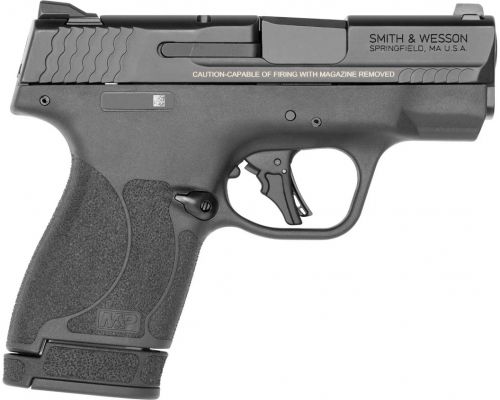
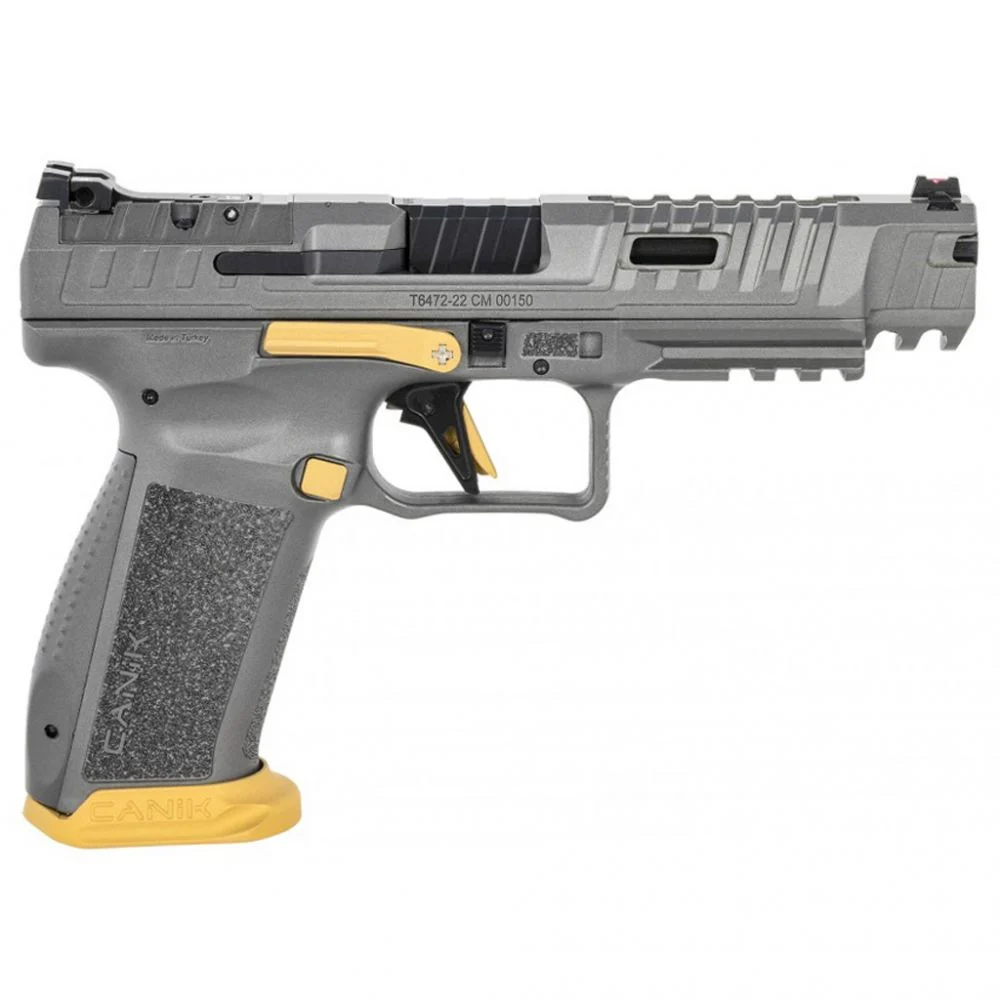
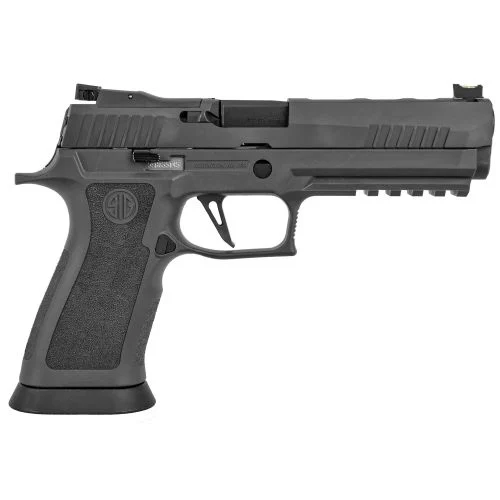
A full-size or compact 9mm pistol is easy to store in a quick-access safe, simple to use in tight hallways and leaves a hand free for a phone or flashlight. Buyers must be 21 or older to buy a handgun from a dealer. In Pennsylvania you do not need a license to keep a handgun in your home, but you do need a License to Carry Firearms to carry it concealed outside the home or in a vehicle. See our License to Carry guide.
Shotguns
A 12- or 20-gauge pump shotgun is a traditional choice and is reliable and effective. Recoil and length can be an issue in small homes and for smaller shooters, and a 20-gauge with reduced-recoil loads is a good compromise.
Rifles and carbines
A carbine in 5.56 NATO or a pistol-caliber carbine is easy to shoot accurately and holds more rounds than a shotgun. Pick ammunition designed for home defense and think about what lies beyond your walls, since many rounds can pass through interior drywall.
Know what is behind your target
Every round you fire is your responsibility. Map out your home: which walls face a child's bedroom, a neighbor's house or a street. Plan positions where you can hold a safe room and let an intruder come to you, rather than searching the house. Use a weapon-mounted light or a handheld flashlight so you can identify who is in front of you before you ever consider firing.
Pennsylvania use-of-force law in brief
Pennsylvania's rules on self-defense are in 18 Pa.C.S. 505. In general, force is justified when you reasonably believe it is immediately necessary to protect yourself against unlawful force, and deadly force is justified only against threats of death, serious bodily injury, kidnapping or sexual intercourse compelled by force or threat.
The statute includes a castle-doctrine presumption. A person is presumed to have a reasonable belief that deadly force is immediately necessary when someone is unlawfully and forcefully entering, or has unlawfully and forcefully entered, a dwelling, residence or occupied vehicle, or is trying to remove someone from it against their will, and the person knows or has reason to believe this is happening. The presumption does not apply in several situations, including when the other person has a right to be there, such as a co-owner or tenant, when the person being removed is in that person's lawful custody, when you are engaged in criminal activity, or when the other person is a police officer performing official duties whom you knew or should have known was an officer.
The law also includes a limited no-duty-to-retreat rule outside the home for people who are not engaged in criminal activity, are not in illegal possession of a firearm and meet other conditions set out in the statute. These rules are fact-specific. Every use of force is investigated, and a prosecutor can still bring charges. Take a class that covers Pennsylvania law, and consider talking to a local attorney before you ever need to.
Storage
A defensive firearm must be both quick to reach and out of reach of children and unauthorized people. Good options include:
- A biometric or keypad quick-access safe bolted to a nightstand, bed frame or closet shelf.
- A larger gun safe for long guns and firearms not in daily use.
- Cable or trigger locks for any gun stored outside a safe.
Store ammunition securely too, and teach every member of the household basic gun safety, even if they never plan to shoot. If a household member becomes a risk, consider storing firearms outside the home with a licensed dealer or a trusted, eligible person.
Training
Owning a gun does not make you ready to use it. Take a basic pistol or shotgun course, then a defensive course that covers low light, moving, and communicating with police. Practice loading, clearing malfunctions and accessing your safe in the dark. Pennsylvania Game Commission ranges on State Game Lands are open to anyone with a range permit or hunting license, and many private ranges run classes.
After an incident
If you ever have to defend your home, call 911 as soon as it is safe. Give your location, describe yourself, and say that you are the homeowner. When officers arrive, put the gun down and follow their commands. Be polite and cooperative, give basic facts, and say you want to speak with a lawyer before giving a full statement.
Getting set up
We ship pistols, shotguns and carbines to the Pennsylvania FFL you choose, where you complete Form 4473 and a PICS check, and we ship lights, safes, ammunition and accessories to your door. Browse our shop, find a Pennsylvania FFL on our local gun shop pages, and read the Pennsylvania gun law overview for the purchase process.
General information, not legal advice. Current as of September 2026. Laws change; check the official source before you act.