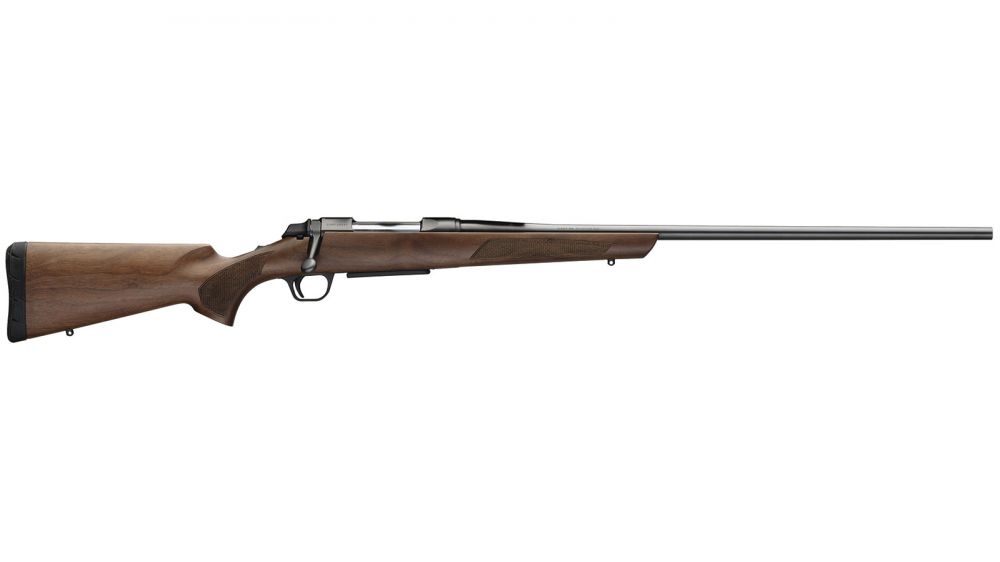
Pennsylvania Bear Hunting: Seasons, Licenses and Rifles
Pennsylvania has one of the largest black bear populations in the East, and the state's hunters regularly take bears weighing more than 500 pounds. Bears live in every region, but the heaviest harvests come from the northcentral big woods and the Pocono Mountains in the northeast. This guide covers the 2026-27 bear seasons, the license you need, legal firearms, and practical advice on rifles and shot placement. Always check the current Game Commission digest before you hunt.
License requirements
To hunt bear in Pennsylvania you need a general hunting license plus a bear license. The bear license covers all bear seasons in the license year, and the limit is one bear per license year. Mentored youth and other special license categories have their own rules, so read the digest if you are hunting with a young hunter.
2026-27 bear season dates
- Archery: Sept. 19-Nov. 27 in WMUs 2B, 5C and 5D; Oct. 3-Nov. 20 in WMUs 3C, 3D and 5B; Oct. 17-25 in the remaining WMUs.
- Muzzleloader, statewide: Oct. 22-25.
- Special firearms, statewide: Oct. 22-25, for junior and senior license holders, mentored hunters, disabled permit holders, active military and hunters 65 and older.
- Regular firearms, statewide: Nov. 21-24, 2026.
- Extended firearms: Nov. 28-Dec. 13 in WMUs 2B, 5B, 5C and 5D, and Nov. 28-Dec. 6 in WMUs 3A, 3B, 3C, 3D, 4C, 4E and 5A.
The extended bear days overlap the regular firearms deer season, so hunters in those units can carry both a deer tag and a bear license during the first part of rifle deer season.
Legal firearms for bear
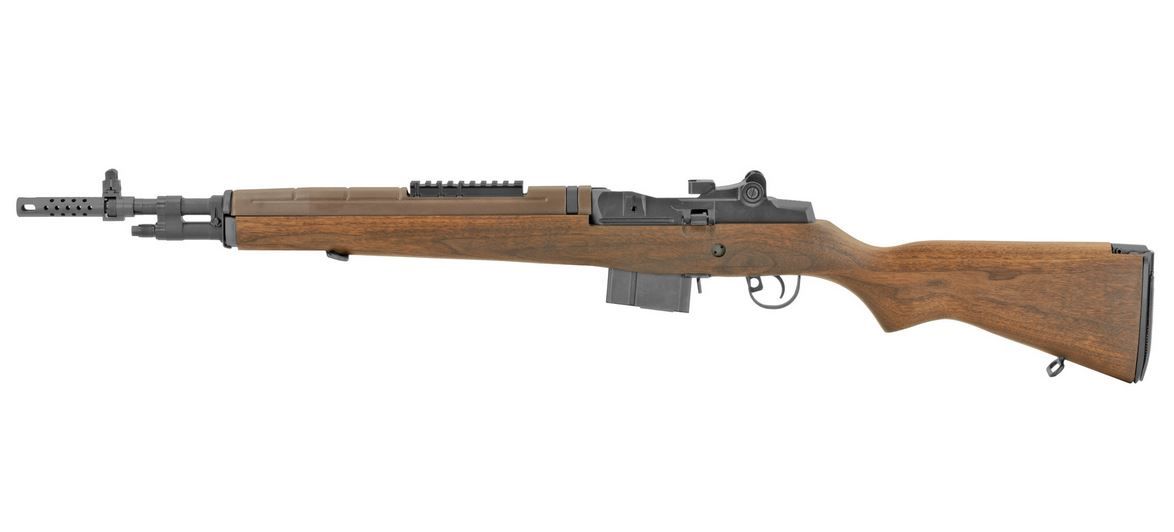
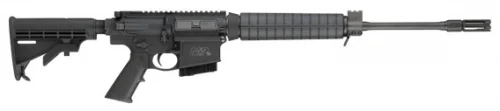
Pennsylvania uses the same arms rules for bear as for deer in the firearms seasons: manually operated centerfire rifles and handguns firing single-projectile ammunition, and manual or semiautomatic centerfire shotguns firing slugs. Semiautomatic rifles are not legal for bear. Special Regulations Area counties around Philadelphia and Pittsburgh have tighter arms rules, and muzzleloader seasons have their own requirements. Check the current digest for your unit.
Choosing a bear rifle
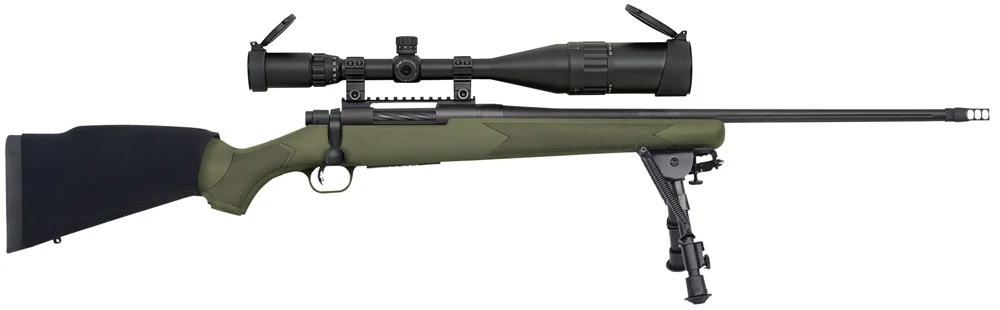
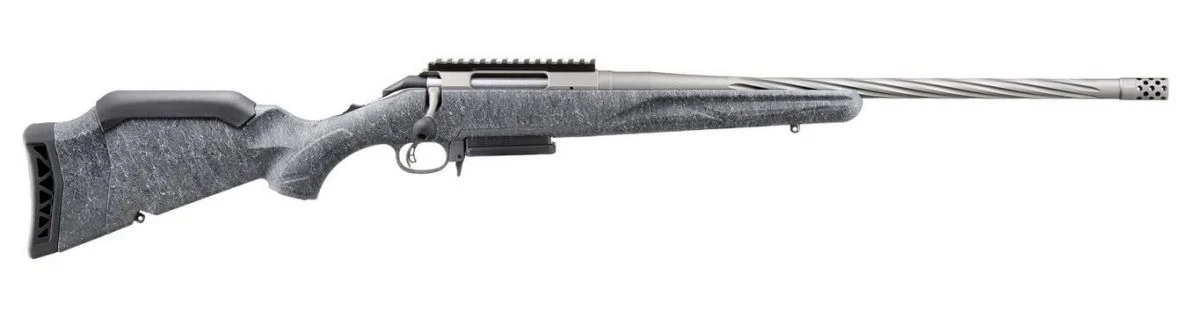
Pennsylvania bears are big, tough animals, and most are shot at close range in heavy cover. You want a cartridge with enough weight and penetration to break bone and reach the vitals from any reasonable angle.
- .30-06 Springfield and .308 Winchester: with 165- to 180-grain bonded or monolithic bullets, these are the most common choices and handle any bear in the state.
- .270 Winchester and 7mm-08 Remington: effective with heavier, premium bullets and careful shot placement.
- .35 Remington, .444 Marlin and .45-70 Government: lever guns that hit hard at woods ranges and carry well in thick laurel.
- 12-gauge slugs: effective inside 100 yards and legal from manual or semiautomatic shotguns.
A low-power variable scope is ideal for bear drives in mountain country, where shots come fast and close. Practice shooting from field positions, since bears rarely stand broadside for long.
Where the bears are
Bears are found across the state, but the northcentral counties and the Pocono region of the northeast consistently lead the harvest. State forests, State Game Lands and the Allegheny National Forest give hunters large public tracts. Many bear hunters join organized drives, which are legal in Pennsylvania within the limits set by the Game Code; check the digest for the current rules on group hunting and drive size.
Shot placement and recovery
A bear's thick fur and fat can hide the entrance wound and soak up blood, so trailing is harder than with deer. Aim for the heart and lungs just behind the front shoulder, and wait for a broadside or quartering-away angle. Take follow-up shots if the bear is still moving. Mark the spot where the bear stood and where you last saw it before you start tracking.
After the harvest
Pennsylvania requires successful bear hunters to tag the bear and report it, and to take it to a Game Commission check station or follow the current reporting process described in the digest. Check station data help the agency set future seasons. Plan how you will get a heavy bear out of the woods before you shoot; a drag harness and a few friends make a big difference on steep ground.
Practice before the season
Most missed or wounded bears come from rushed shots at close range, not long ones. Spend time at the range in the weeks before the November opener. Shoot from standing, kneeling and sitting positions at 25 to 100 yards, and practice getting the rifle up and on target quickly with your hunting coat on. Confirm your zero with the exact hunting load you will carry, since heavy premium bullets often print differently from lighter practice ammunition. The Pennsylvania Game Commission runs public ranges on State Game Lands across the state, including large ones on SGL 176 in Centre County, SGL 300 in Lackawanna County and SGL 141 in Carbon County, close to prime bear country. A general hunting license or an annual range permit covers range use.
Safety
Wear the fluorescent orange required during the firearms seasons, and identify your target and what lies beyond it before every shot. Keep rifles unloaded in vehicles. When you are not hunting, store bear gear and food so it does not attract bears to camp.
Gear up
We ship bolt, lever and pump rifles and slug shotguns to the Pennsylvania FFL of your choice, and heavy-for-caliber hunting ammunition and optics straight to your door. Visit our shop, read our Pennsylvania deer rifle guide for rifles that do double duty, and check the Pennsylvania gun law overview for transport rules. Find a Game Commission range near you on our local gun shop pages and sight in well before November.
Season dates here come from the Game Commission's approved 2026-27 seasons. Rules change, so read the current digest before you hunt.
General information, not legal advice. Current as of September 2026. Laws change; check the official source before you act.